
Reliable electricity keeps modern industry moving. Without the right equipment, power grids would fail to deliver usable voltage to homes or factories. Choosing the correct hardware depends on understanding the specific types of electrical transformers available for various applications, especially when sourcing from a reliable transformer inventory that matches your project requirements.
This guide breaks down the different types of transformers used today, from massive substation units to specialized instrument models. Whether you are managing an emergency outage or planning a renewable energy site, knowing these categories helps you make better procurement decisions. We focus on clear facts and industry standards to help you find the best solution for your project needs.
An electrical transformer is a static device that transfers energy between circuits through electromagnetic induction. It changes voltage levels while maintaining the same frequency. These machines allow electricity to travel long distances at high voltages to minimize loss. Then, they step down that power to safer levels for end-user equipment. In simple terms, they act as the gatekeepers of the power grid. They ensure every facility receives the precise amount of energy required to operate safely and efficiently.
When you think about the types of electrical transformers, it is easiest to visualize them as voltage translators. A power plant might generate electricity at 20,000 volts, but in the U.S. electricity delivery system, long-distance transmission lines move it at much higher voltages to stay efficient. Before that energy hits your building, it must be reduced back down to 480 or 240 volts. Without this constant shifting, the grid would be either too dangerous to use or too inefficient to power anything.
The landscape of electrical infrastructure includes many specialized designs. Each variety serves a distinct purpose within the generation, transmission, or distribution phases. Understanding all types of transformers requires looking at where they sit on the grid and how they handle environmental factors. Here is a breakdown of the primary categories you will encounter in industrial and utility settings.
Power transformers handle high voltages and large capacities. You typically find these in generating stations or transmission substations. They act as the heavy lifters of the electrical world. Because they manage massive amounts of energy, they often include cooling systems like fans or pumps. These units rarely serve end consumers directly. Instead, they bridge the gap between power plants and the broader distribution network.
These machines are built for maximum durability. At this level, the equipment must handle constant high-load stress without flickering. A transformer types list always starts here because these are the massive blocks of iron and copper that form the backbone of national energy security. Ready-to-ship inventory from specialized suppliers can bridge the gap when custom builds take too long.
A distribution transformer provides the final voltage transformation in the electric power system, consistent with the DOE definition of a distribution transformer. It steps down the voltage used in the distribution lines to the level used by the customer. Most industrial facilities and residential neighborhoods rely on these daily. They are smaller than power units and stay energized 24 hours a day. Efficiency is vital here because even small losses across thousands of units can add up to significant energy waste.
For most businesses, this is the most common piece of hardware on-site. These electrical transformer types are workhorses. They sit in the background, converting utility-level power into something your machinery can actually swallow. If one of these fails, your production stops immediately. Access to suppliers experienced in urgent replacements becomes essential when transmission and distribution losses and downtime both affect overall system performance.
Padmount units sit on ground-level concrete pads and feature locked, tamper-resistant steel cabinets. These are the standard choice for underground power lines in urban areas or industrial parks. The cabinet protects the internal components and prevents unauthorized access. Since all live parts are enclosed, they offer a high level of safety for public spaces. They are popular because they eliminate the need for overhead wires and bulky poles.
Contractors love these for new developments. You can tuck them away behind landscaping or near a parking lot. Inside the green metal box, you will find high-voltage bushings on one side and low-voltage terminals on the other. They are incredibly reliable and require very little maintenance over their thirty-year lifespan, provided they are sized correctly for the building load.
These common units hang from wooden or concrete utility poles. You likely see them along suburban streets every day. They look like large grey canisters. They take high-voltage lines from the top of the pole and convert the energy for nearby buildings. Because they are elevated, they stay out of reach of people and vehicles. They are cost-effective for serving spread-out areas where underground infrastructure is too expensive to install.
In rural or older urban areas, these are the primary way electricity gets delivered. They are exposed to the elements, so they are built to survive extreme heat, ice, and wind. When a storm knocks out power, these are often the units that need replacing. High to Low Voltage maintains a stock of pole mounted transfomer for utility companies and resellers who need to restore service after a weather event.
Substation units are specialized power transformers designed to operate within a utility or industrial substation environment. They often include advanced monitoring equipment and protective relays. Their primary job is to step down transmission voltages to sub-transmission or primary distribution levels. These units must be exceptionally reliable. A failure at this level can cause widespread blackouts for an entire region or a large manufacturing complex.
Modern substations are becoming smarter. The transformers inside them now often feature digital sensors that track temperature and moisture in real-time. This modern readiness allows operators to fix problems before the lights go out. These units are often the centerpieces of an industrial facility's electrical room, requiring precise installation and commissioning.
Unlike oil-filled units, dry-type transformers use air for cooling. They do not contain flammable liquids, which makes them much safer for indoor use. You often find them inside hospitals, high-rise buildings, and schools. They use specialized insulation that can withstand high temperatures without catching fire. While they might be larger than oil-filled versions of the same capacity, the reduced fire risk and lack of spill containment requirements make them a smart choice for interior vaults.
Maintenance on these is straightforward. Since there is no oil to test, you mostly just need to keep them clean and ensure the air vents are not blocked. They are the ideal solution for environmentally sensitive areas where an oil leak could lead to expensive cleanup costs. For indoor commercial projects, these are usually the default choice for safety compliance.
Autotransformers use a single winding that acts as both the primary and secondary sides. This design uses less material, making it smaller and cheaper than a standard two-winding transformer. They work best when the voltage ratio is close to one. While they lack the electrical isolation of other types, they are highly efficient for boosting or bucking voltage slightly. Many industries use them to compensate for voltage drops in long cable runs.
Think of these as specialized tools for fine-tuning your power. If your incoming voltage is just a few percent too low for your motors to run correctly, an autotransformer can fix that without the bulk of a full isolation unit. They are compact, lightweight, and very effective for specific industrial voltage corrections.
Instrument transformers do not move large amounts of power. Instead, they provide accurate signals to meters and protective relays. They "translate" high voltage and current into small, safe values that instruments can read. This allows technicians to monitor the grid without being exposed to dangerous levels of electricity. They are the eyes and ears of the electrical system, and OSHA’s NRTL program references recognized IEEE standards for instrument transformers within its appropriate test standards list.
Without these, we would have no way to bill customers accurately or detect faults on the lines. They are tiny compared to the big power units, but they are just as important for the overall health of the system. They ensure that the control room always knows exactly how much power is moving through the facility.
Walking onto a job site or into a substation requires the ability to quickly identify equipment, especially when interpreting specifications from transformer nameplates. Different types of transformer designs have unique physical traits. Identifying them helps you assess what parts might be needed for maintenance or what unit needs a replacement quote. Most visual differences stem from how the unit handles heat and where the electrical connections enter the tank.
Start by looking at the tank shape and the cooling fins. Oil-filled power transformers usually have large radiators or detachable cooling banks. If you see big porcelain bushings sticking out of the top, it is likely a substation or power unit. On the other hand, a padmount unit is a rectangular box with doors on the front. It hides its bushings and cables inside a locked compartment.
Pole-mounted units are almost always cylindrical. They have small bushings on top for the high-voltage connection and terminals on the side for the low-voltage wires. Dry-type units often have perforated metal enclosures to allow air to circulate. If the unit is inside a building and you can see copper coils through a vent, it is almost certainly a dry-type. Understanding these silhouettes allows for faster communication with service teams during an emergency.
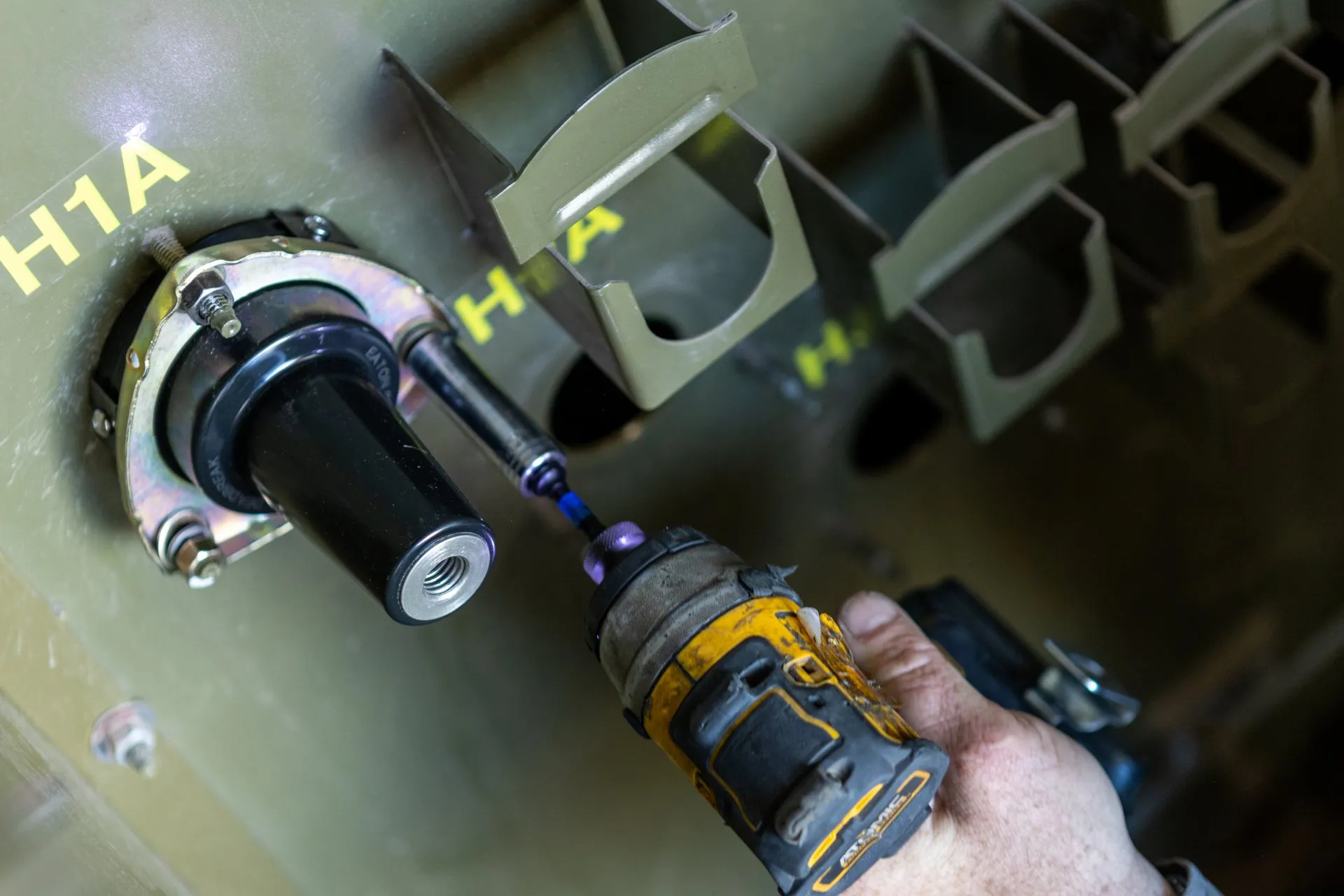
Every industry has specific power needs that dictate which electrical transformer types are appropriate. A hospital requires different reliability standards than a temporary construction site. Mapping these machines to their specific uses ensures the system stays stable under load.
Large-scale power units are categorized by their role in the transmission sequence. They are the foundation of grid stability.
GSU units sit right next to the power source. They take the electricity produced by a generator and step it up to very high voltages for the transmission lines. This process reduces the current, which cuts down on heat loss as the energy travels over hundreds of miles. These machines are massive and require constant monitoring.
These units receive power from the transmission lines and lower the voltage for the next stage. They act as the transition points between the high-voltage highways and the local distribution streets. They often include load tap changers. This feature allows the transformer to adjust its voltage output on the fly to keep the grid steady as demand changes throughout the day.
These units bring electricity into the buildings where people live and work. In a commercial setting, they might power heavy machinery or HVAC systems. In residential areas, they provide the standard 120/240 volts needed for appliances. Reliability at this level is crucial because these are the units that customers notice most when they fail.
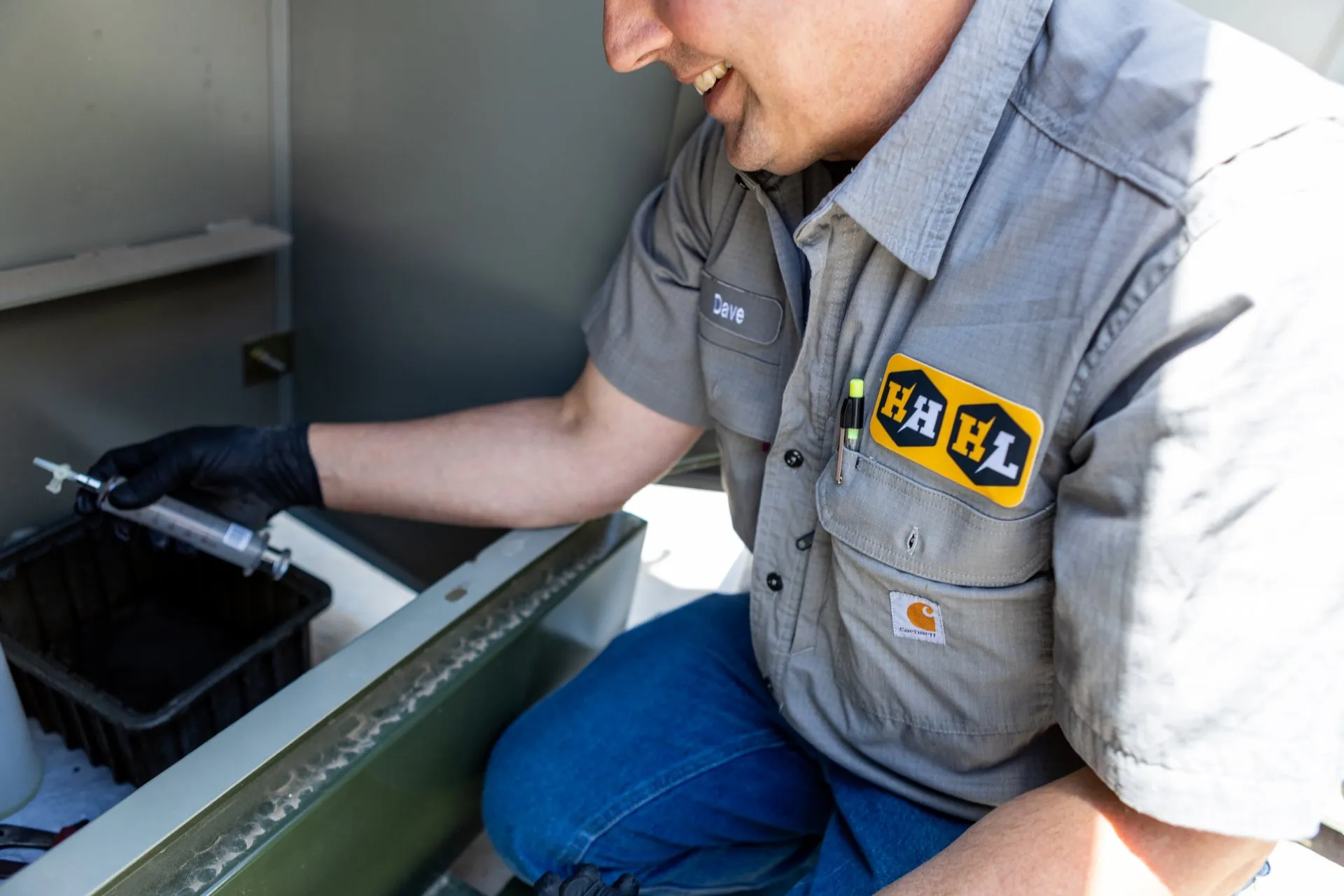
Beneath the metal tanks and cooling fins, transformers follow strict physical laws. Engineers classify them based on their internal design and electrical properties. These technical details determine how the unit will perform under stress.
This is the most basic way to group these machines. A step-up unit increases voltage from the primary to the secondary side. This is vital for efficient transmission. A step-down unit does the opposite, lowering voltage for safe usage. Most industrial equipment uses step-down units to convert utility power into a format the facility can use.
The voltage ratio is the first specification reviewed for any application because it defines the machine’s fit. If the ratio is wrong, you risk blowing out your equipment or not having enough juice to start your motors. Getting this right is the difference between a successful project and an expensive mistake.
The core is the magnetic heart of the machine. In a core-type design, the windings surround a laminated iron core. This is easy to repair and maintain. In a shell-type design, the core surrounds the windings. This provides better protection against mechanical stress and is common in high-voltage applications. Toroidal designs use a doughnut-shaped core. They are very efficient and compact but are usually reserved for smaller electronic applications.
Design matters because it affects how well the unit handles heat and magnetic flux. For heavy industrial use, the core design must be "Grit" levels of toughness. It needs to handle the physical vibrations and heat expansion that come with running at full capacity for weeks at a time.
Single-phase units are common in residential areas and for smaller loads. They use two wires for power. Three-phase units are the standard for industrial and commercial settings. They use three or four wires and provide a more constant flow of power. This is essential for running large electric motors efficiently. Most utility grids operate on a three-phase system because it is more economical for moving large amounts of energy.
If you are running a factory, you are almost certainly using three-phase power. It provides the steady torque needed for heavy machines to operate without vibrating themselves to pieces. Choosing the right phase configuration is a fundamental step in designing a reliable industrial power system.
Cooling determines where a transformer can live. Oil-filled units use mineral oil or biodegradable fluids to move heat away from the coils, which is why proper maintenance for oil-filled transformers is critical for long-term performance. The oil also acts as an insulator. These are great for outdoor use. Dry-type units use air and specialized insulation. They are the go-to choice for indoor environments where oil leaks or fires would be catastrophic.
Heat is the enemy of any electrical system. If a transformer gets too hot, its insulation breaks down and it eventually shorts out. Proper cooling—whether through oil or air—ensures your equipment lasts for decades instead of months. The right cooling method is selected based on site-specific environmental constraints (outdoor oil-filled vs. indoor dry-type).
You cannot manage what you cannot measure. Instrument transformers allow operators to see what is happening inside the high-voltage lines. They provide the inputs for the computers and meters that keep the grid running.
A CT reduces the high current flowing through a circuit to a small, measurable value, usually 5 amps. This allows a simple ammeter to show the load on a massive transmission line. They are also vital for protection. If a CT detects a sudden spike in current, it tells a circuit breaker to trip, preventing equipment damage or fires.
These small components are the "Wit" of the system. They provide the data needed to make smart decisions about power management. If a CT is inaccurate, your billing will be wrong, and your safety systems might fail to trigger during a real emergency.
A PT or VT performs the same task for voltage. It takes thousands of volts and steps them down to a standard 120 volts for meters. This keeps the monitoring equipment safe for people to touch. They are essential for checking synchronization between different parts of the grid and for accurate utility billing.
In a modern substation, these sensors are everywhere. They feed into the digital control systems that keep the entire network balanced. Without them, the grid would be operating blind, which is a recipe for catastrophic failure.
The way we generate power is changing. Old grids were built for one-way traffic from big coal plants to cities. Now, power flows in many directions. Modern transformers types must handle the unique stresses of solar, wind, and battery storage.
Solar farms produce DC power, and solar inverters convert DC electricity to AC before that power is stepped up and integrated into the grid. T These sites need step-up transformers to get that power onto the grid. Wind turbines often have a small transformer inside the tower or right next to it. These units must handle dirty power and frequent fluctuations in output. They are often built with specialized insulation to resist the harmonics created by power electronics.
Renewable projects move fast. You cannot wait eighteen months for a transformer while your solar panels sit idle in the sun. Suppliers with on-hand inventory play a critical role in bridging the gap between project completion and grid connection.”
Electric vehicle charging stations and Battery Energy Storage Systems (BESS) represent the newest demand on the grid. BESS units need bi-directional transformers that can handle power flowing into and out of the batteries. EV charging hubs require distribution units that can handle massive, sudden loads when multiple trucks or cars plug in at once. H2LV provides equipment designed for this infrastructure.
This is where the industry is heading. As we move toward a more electrified world, the demand for these specialized units will only grow. Being future-ready means having the equipment and expertise to support these new technologies today, not in five years.
When a transformer fails, you do not always have eighteen months to wait for a new factory order. The choice between new, reconditioned, or rental equipment often comes down to your timeline and budget. Each path has distinct benefits.
A blown transformer can cost a factory millions in lost production every day. In these situations, speed is the only metric that matters. Having access to an in-stock inventory means you can get a unit on a truck within hours. Quick-ship options are the difference between a minor setback and a total disaster for your operation.
H2LV built business around these high-pressure moments. We know that when your facility is dark, you don't want a sales pitch—you want a solution. Our emergency services are designed to get you back in business as fast as humanly possible.
New transformers come with the latest technology and full factory warranties. However, they often have long lead times. Reconditioned units are a smart alternative. When done correctly, a reconditioned unit is stripped, cleaned, and tested to meet or exceed original standards. They offer a much faster turnaround and a lower price point without sacrificing reliability. This is a practical solution for replacing aging equipment before it fails.
Reconditioning is not just about a fresh coat of paint. It involves vacuum pressure impregnation, new oil, and rigorous testing. Reconditioned units undergo rigorous testing and only ship after meeting original-equivalent standards. This gives you a high-quality machine at a fraction of the cost and lead time of a new build.
Sometimes you only need power for a few months. This might be for a construction site or to keep your facility running while your main unit is being serviced. Rental transformers, switchgear, and cables provide a flexible plug-and-play solution. They allow you to maintain operations without the capital expense of buying a permanent unit you only need temporarily.
Rentals are the ultimate problem solvers. They give you the flexibility to adapt to changing power needs without committing to a long-term purchase. Whether you are doing a planned maintenance outage or dealing with a sudden surge in demand, rentals keep you moving.
Transformers are grouped by their use, cooling method, and voltage level. Common types include power, distribution, padmount, and dry-type units used in various industrial or utility settings.
Substations typically use large power transformers to step down transmission voltages. They feature specialized cooling systems and monitoring tools to ensure regional grid stability and safety.
Amorphous core transformers are among the most efficient designs. They reduce no-load losses significantly, making them ideal for utility grids where units remain energized constantly.
Most industrial transformers have an expected lifespan of 25 to 35 years. Regular maintenance, such as oil testing and cleaning, can extend their operational life beyond 40 years.


